Kalyan Minaret
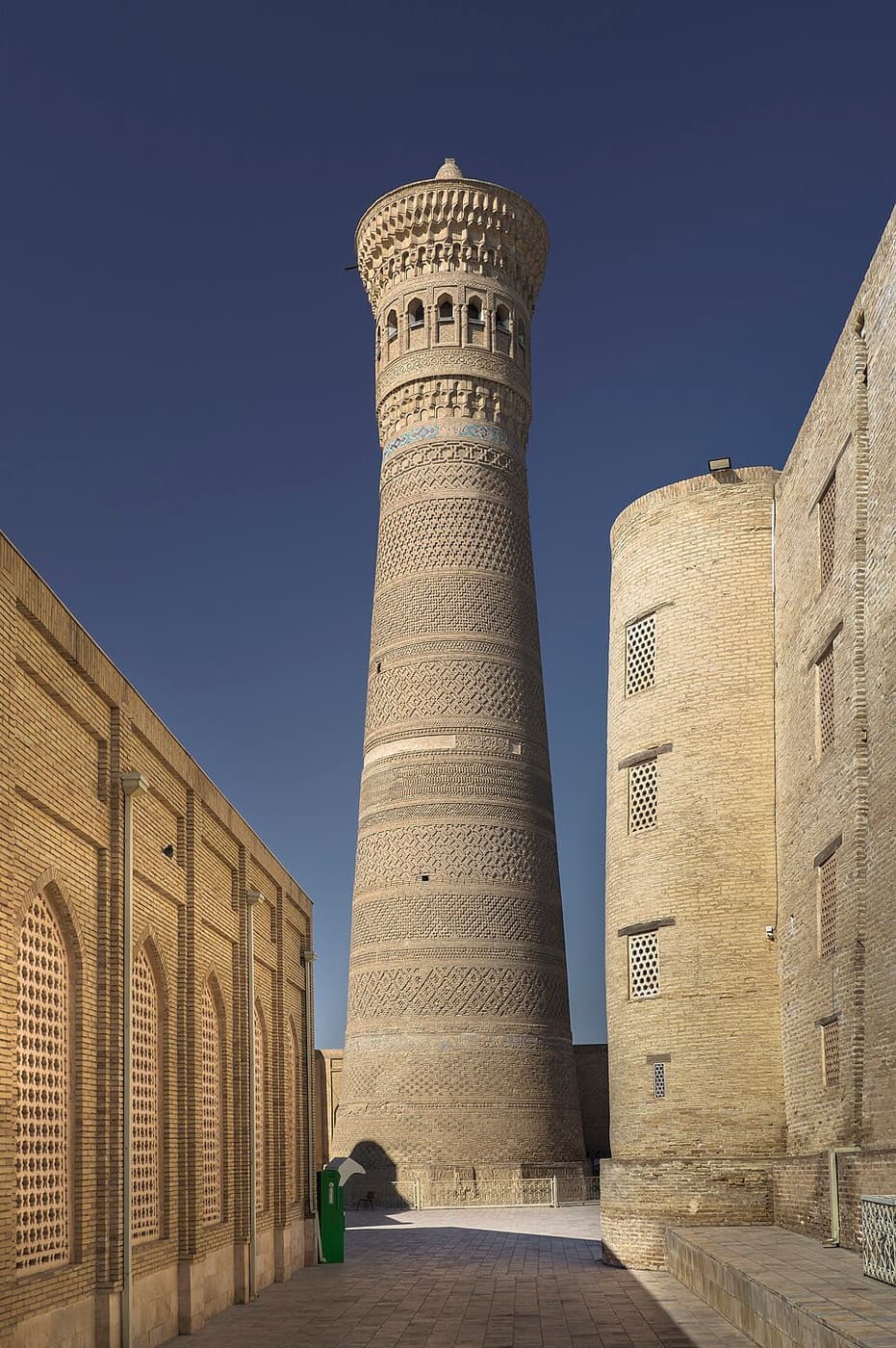
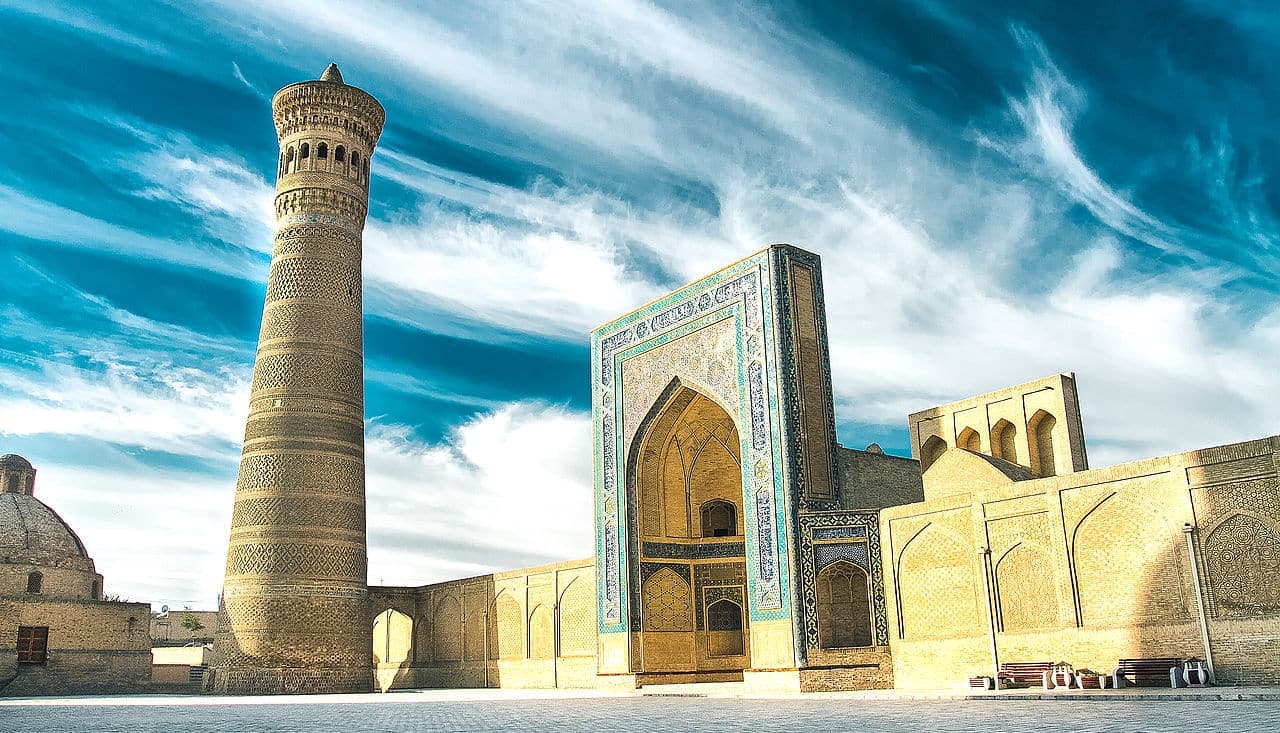
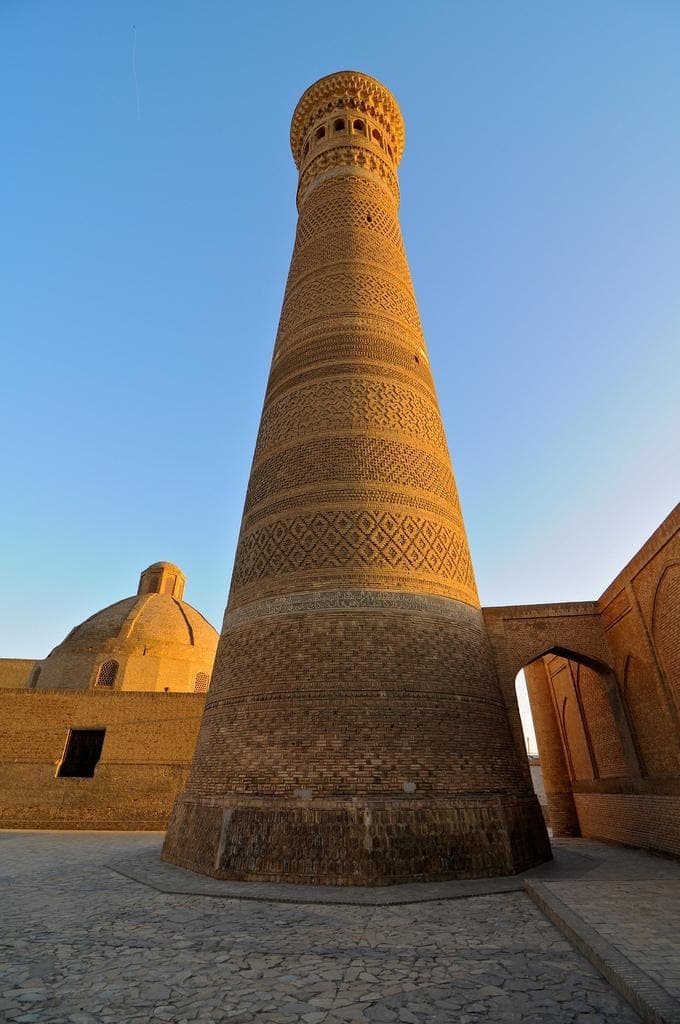
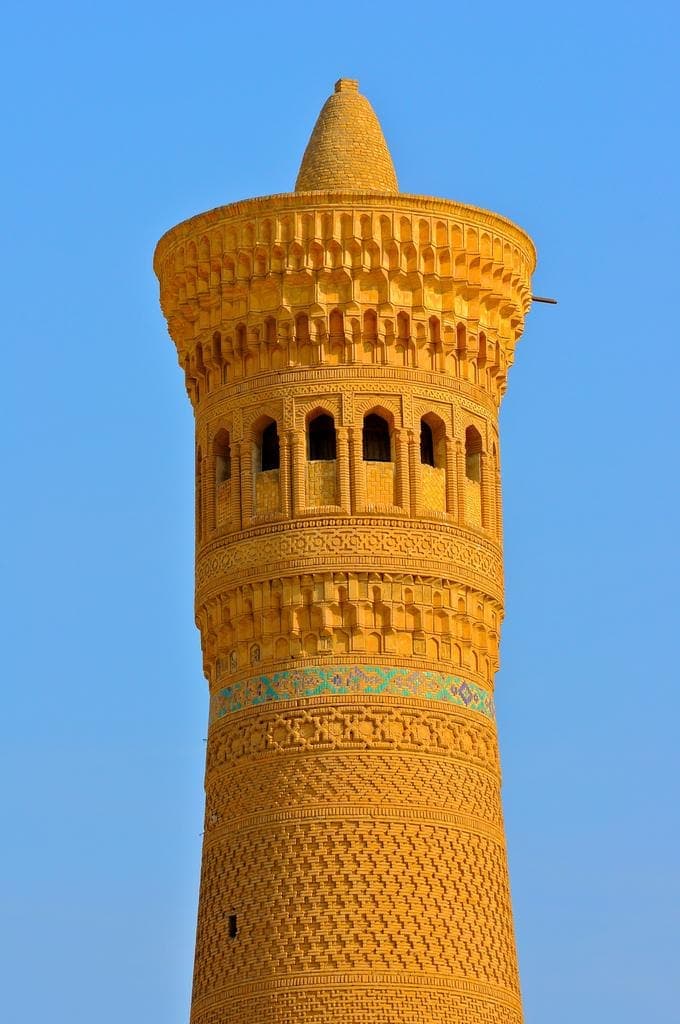
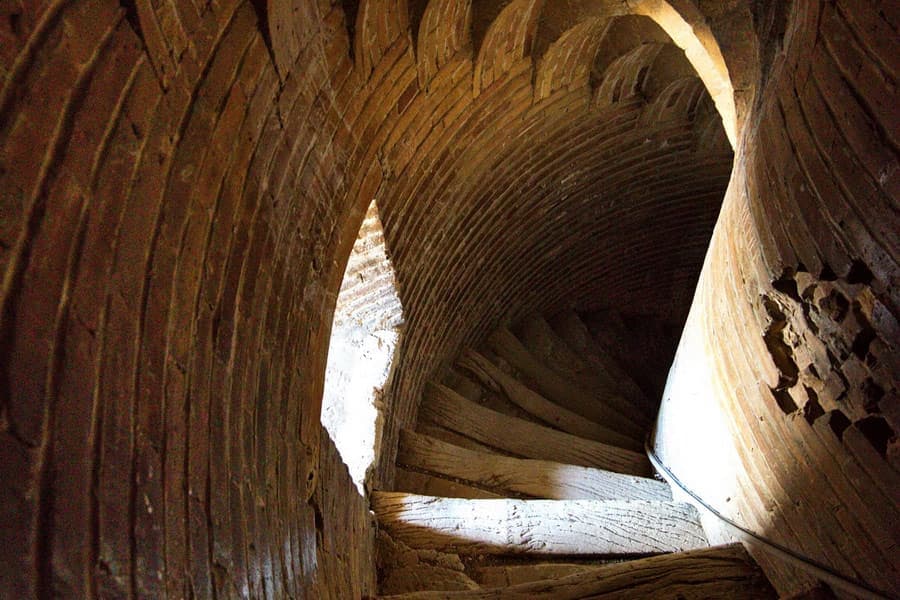
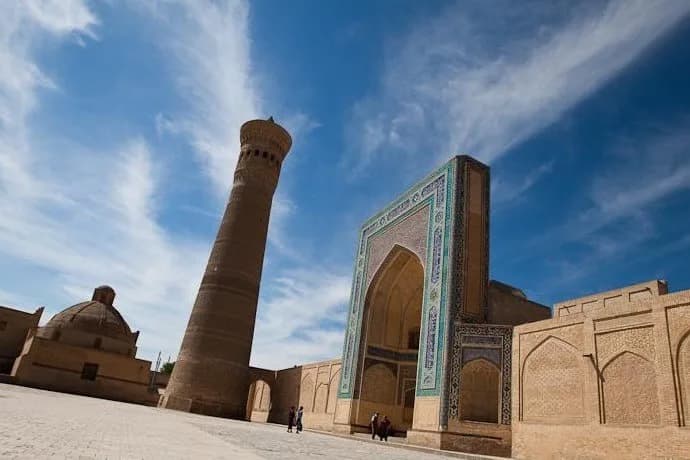
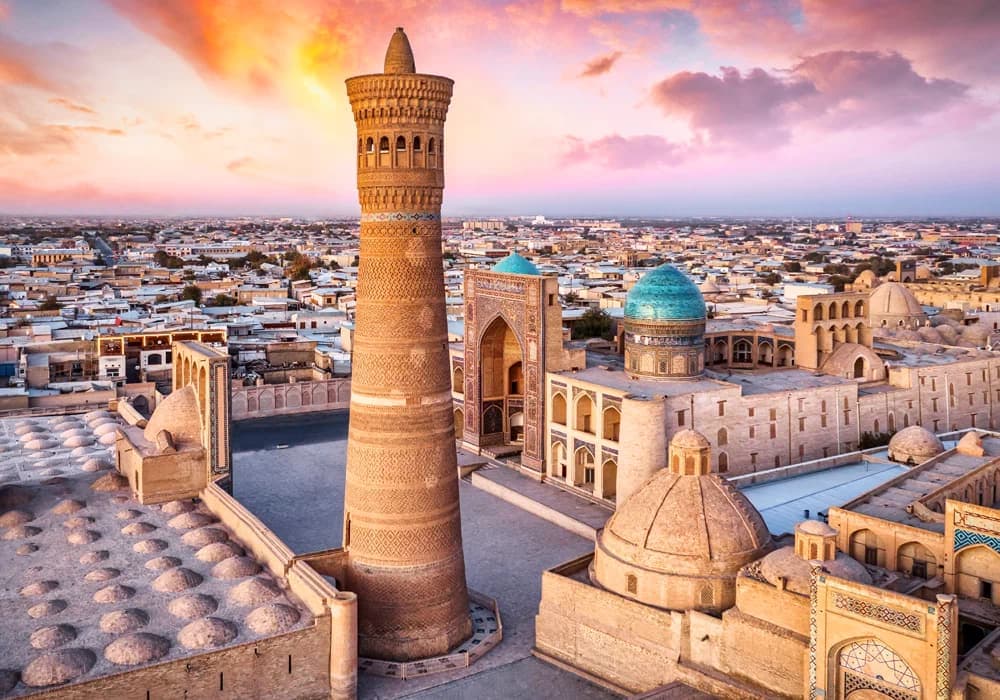
The brick tower, about 46 metres tall, that has watched over Bukhara since 1127 — spared, the story goes, even by Genghis Khan.
Listen while you walk
This guide plays in the language you selected.
Script
Welcome to Bukhara.
You are now standing before one of the most recognisable sights in Uzbekistan: the Poi-Kalyan ensemble, with the magnificent Kalyan Minaret rising at its heart.
The word “Kalyan” means “Great,” while “Poi-Kalyan” is generally understood as “At the Foot of the Great.” For centuries, the minaret was one of the tallest and most visible landmarks in Bukhara.
The minaret you see today was built in 1127, during the reign of the Karakhanid ruler Arslan Khan. Historical sources associate its design with an architect known as Bako, or Baqo. The tower rises roughly 46 metres above the ground and was constructed almost entirely from fired brick. Its foundation reaches remarkably deep into the ground, with official Uzbek heritage information giving a depth of up to about 10 metres.
Gallery